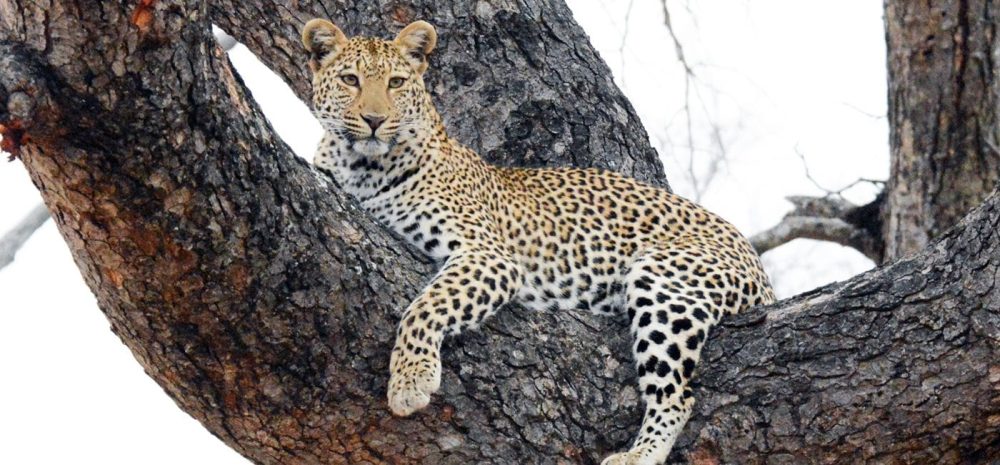
Travel Guide to South Africa
1. What should I wear on safari?
- Bring long trousers and a fleece or windbreaker for cooler mornings and evenings.
- Shorts, skirts, and t-shirts are suitable for daytime.
- Choose neutral colours like khaki, brown, or beige for game drives and walks. Avoid bright colours and white.
2. What accessories do I need?
- Sunscreen and lip balm
- Sunglasses and a wide-brimmed hat
- Insect repellent
- Comfortable walking shoes
3. What photography or observation gear should I bring?
- Camera with zoom and wide-angle lens
- Spare memory cards or film
- Extra batteries for cameras and video equipment
- Binoculars (preferably lightweight 8×40 or 10×40; “close focus” models if birding)
4. Are there health risks I should know about?
- Some northeastern areas have a malaria risk. Consult your doctor for appropriate prophylactics.
- Check with your doctor about necessary vaccinations.
- Carry sufficient prescribed medication, as safari areas may have limited medical facilities.
- Be cautious about casual sexual activity due to high HIV prevalence.
- Bilharzia may exist in some east-flowing rivers; early detection is treatable.
- Tick bite fever can occur in spring; wear proper clothing and use insect repellent.
- Hepatitis vaccination is recommended.
- The sun is strong- use sunscreen, hats, and sunglasses, especially from 10am to 4pm.
- Tap water is generally safe; bottled water is widely available. Avoid untreated river water near settlements.
- Strongly recommended to have medical insurance before international travel.
5. What currency is used in South Africa, and is it expensive?
- South African Rand (ZAR) is the local currency.
- South Africa offers excellent value for travelers. Examples of everyday costs:
- $1 USD ≈ 20–25 ZAR → cold beer or a snack
- £1 GBP ≈ 25–30 ZAR → small meal, coffee, or local transport
- £30 GBP → night at a comfortable B&B or a long bus journey
- €1 EUR ≈ 20–25 ZAR → cup of coffee or 1-2 loaves of bread
- 1 liter petrol ≈ $1.50 USD → roughly 0.25 gallons
6. Where can I access banking services?
- Banks and ATMs are widely available along tourist routes.
- Banks open 9am-3:30pm weekdays, 8:30-11am Saturdays (airport branches adjust to flights).
- Foreign exchange and international bank branches are easily accessible.
7. How safe is game viewing?
- Always follow your guide’s safety instructions during drives and walks.
- Never tease, corner, or feed wild animals-they are wild and potentially dangerous.
8. Are there dangerous insects or animals?
- Snakes, scorpions, and insects exist but rarely pose danger.
- Enclosed shoes, long trousers, and socks are recommended during walks.
9. What services does Xhumanisa Eco-Safaris, provide?
- Licensed guides and drivers
- Vehicle hire and accommodation management
- Personalized tours and safari itineraries
10. Can a guide meet me at the airport?
- Yes, personal guides can meet you at Durban, Johannesburg, or Cape Town International Airports, or at a pre-arranged location.
11. When is the best time to visit South Africa?
- All year, depending on region and weather preferences.
- Northern KZN & Kruger: April-August (cooler, less humid)
- Okavango Delta (Botswana): Late June-July (peak flooding)
- Cape Town: Avoid June -August (rainy season)
12. Are tours suitable for families with children?
- Minimum age for walking safaris: 12 years
- Family-friendly lodges are available for younger children
13. Do I need a visa to visit South Africa?
- Check with your local embassy or consulate.
- US passport holders generally do not need a visa.
- Passport must be valid for at least 6 months beyond return date and have at least one free page.
14. What languages are spoken?
- English is widely spoken.
- Guides may also speak Afrikaans and basic Zulu.
15. What are tipping guidelines?
- Meals and services: 10%+
- Other services (taxis, guides, porters): discretionary, minimum R10
16. What type of power and plugs are used?
- 220–240 volts, 50Hz, 3-pin South African plugs
- Adaptors may be needed
17. Can I use mobile phones and the internet?
- GSM-enabled phones work; international calls may be costly.
- Internet cafes and hotel facilities are widely available.
18. How should I handle travel documents and money?
- Carry copies of passport, visas, and traveler’s checks separately from originals.
- Avoid carrying large amounts of cash.
19. What general wildlife safety tips should I follow?
- Stay with your guide at all times.
- Do not approach or feed animals.
- Follow all safety advice carefully.
Conclusion
At Xhumanisa Eco-Safaris, we believe that every journey through Africa should be more than just a holiday, it should be an experience that connects you to the land, its wildlife, and its people. Whether it’s your first safari or your tenth, we’re here to ensure your adventure is safe, comfortable, and unforgettable.
Our goal is to help you explore South Africa with confidence, curiosity, and respect for nature. Come prepared, travel wisely, and embrace every moment, from sunrise over the bushveld to the laughter shared around a campfire.
Xhumanisa Eco-Safaris – Discover. Connect. Belong.